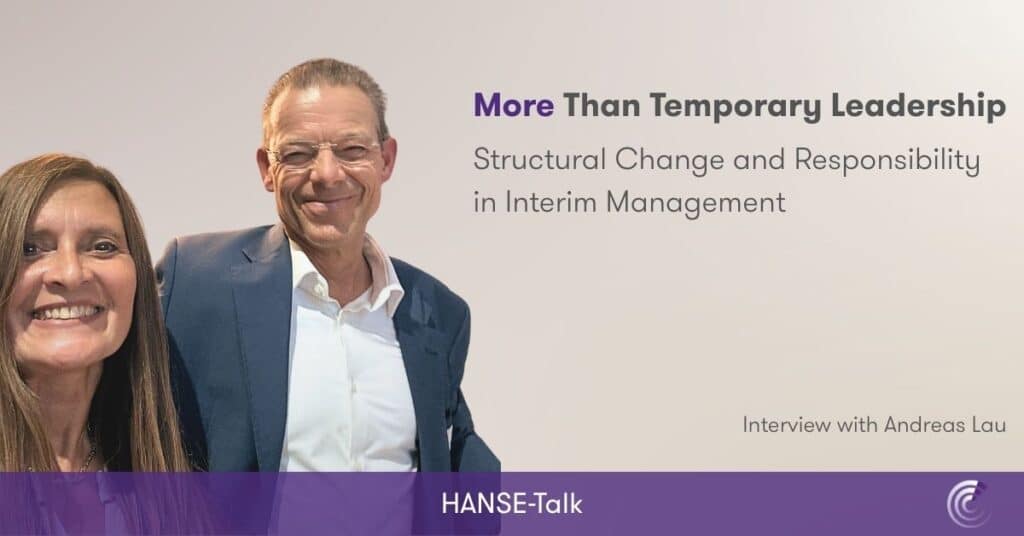
A conversation with Andreas Lau on structural change and responsibility in interim management
Change is no longer an exceptional situation in interim management. It has become the foundation of the work itself. At the same time, the industry is evolving structurally. Consolidations, platform models, investor participation and rising quality standards are reshaping the market. It is becoming more differentiated and more demanding.
In this edition of the HANSE Talk, our colleague Özlem Parakenings speaks with Andreas Lau about how the role of interim managers is changing, why execution matters more than analysis, and why quality is not a slogan but a prerequisite for trust.
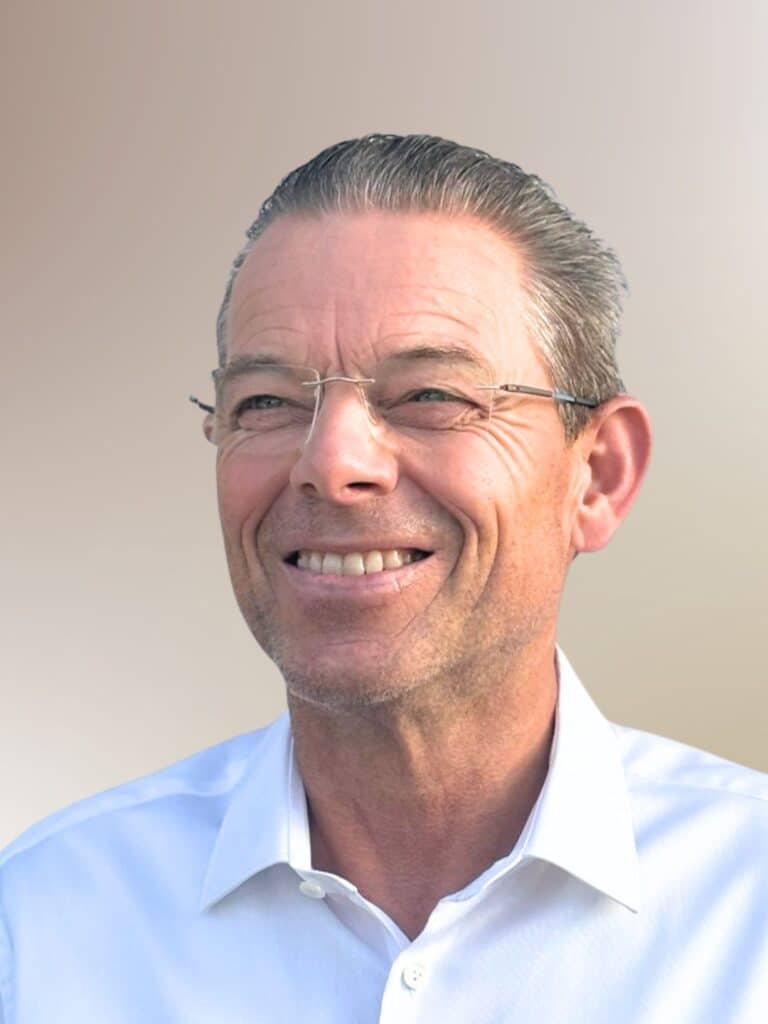
Andreas Lau is Managing Director of HANSE Interim and board member of AIMP, the association of professional interim providers in the DACH region. He has been shaping and observing the market for more than two decades from different perspectives.
In conversation with Andreas Lau.
Özlem Parakenings: Andreas, “The Power of Change” was the motto of this year’s KIM conference. Why does this theme capture the essence of our industry so well?
Andreas Lau: Because change is no longer an exception. It has become the norm. Companies are under constant pressure to adapt. Restructuring, digital transformation, geopolitical uncertainty, new financing models, technological disruption. These developments do not occur one after another but simultaneously.
Interim management becomes relevant precisely when change must not only be designed but implemented. When decisions cannot be postponed. When leadership needs to deliver immediate impact.
Özlem Parakenings: What distinguishes interim management from traditional consulting in such situations?
Andreas Lau: Consulting analyses, structures and develops concepts. Interim managers take responsibility within the organization. They make decisions. They carry accountability for results. They lead teams through uncertainty. In critical situations, the biggest challenge is often not complexity but a lack of clarity in leadership. Interim management creates that clarity and ensures that change is not only planned but executed
Özlem Parakenings: You often speak about execution power. What do you mean by that?
Andreas Lau: Execution power means translating strategy into resilient structures. Stabilising processes, aligning teams, setting priorities and remaining capable of action under pressure. Interim management stands for speed, impact and responsibility. Ultimately, what matters is impact. Not the analysis, but the outcome.
Özlem Parakenings: The market is becoming more differentiated and projects more complex. We increasingly see hybrid structures involving consultants, internal leaders and interim managers. How do you perceive this development?
Andreas Lau: Expectations are clearly rising. Clients no longer expect profiles. They expect impact. Entrepreneurial thinking. Measurable results. And the ability to integrate into complex project environments.
Specialisation is becoming more important. Methodological expertise, international experience, industry knowledge. The market is becoming more demanding.
And within these hybrid structures, a new quality of collaboration is emerging.
Özlem Parakenings: Does this also mean that the role of interim managers is changing?
Andreas Lau: Very much so. Interim managers are no longer just problem-solvers for a limited period of time. They are strategic sparring partners to executive management and shareholders. They operate within hybrid structures and collaborate with consultants, investors and technology providers.
This requires not only professional excellence but also entrepreneurial thinking and strong interpersonal skills. The role has become more strategic.
Özlem Parakenings: We have discussed the distinction from consulting. At the same time, we see more and more projects where consultants and interim managers work closely together. How do you view this interplay?
Andreas Lau: The simple comparison of consulting versus interim management is outdated. In many transformation and restructuring projects, we see deliberate collaboration.
Consultants contribute analytical depth and methodological frameworks. Interim managers assume line responsibility. They lead teams, make decisions and implement measures.
If roles are clearly defined and mutually respected, real impact is created. Strategic concepts do not remain on slides but are operationalised. Clarity in responsibilities is decisive. Who is accountable for what? Who decides? Who carries which risks? When this is clearly defined, both sides complement each other effectively.
Özlem Parakenings: This topic will also be discussed at the AIMP Annual Forum in a panel that you are co-moderating with others. Why is this discussion so relevant from a provider’s perspective?
Andreas Lau: Because project realities have changed. Hardly any major transformation today takes place without external consulting. At the same time, companies expect operational execution.
From a provider’s perspective, the key question is how interim management can be positioned not as competition but as a complementary leadership component.
It is about professional collaboration on equal footing.
This is exactly what we will discuss in Bonn.
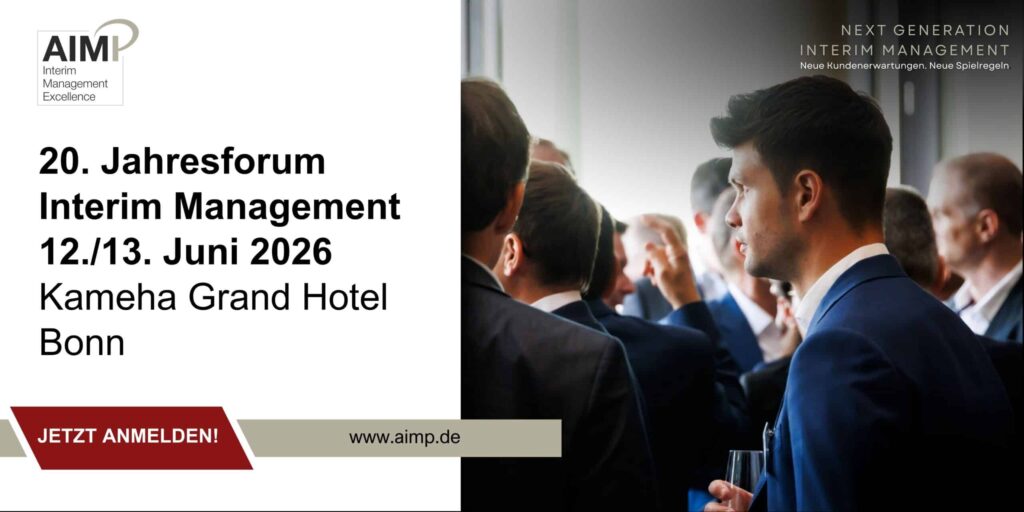
AIMP Annual Forum
12–13 June 2026
Kameha Grand Hotel, Bonn
Panel: Consulting & Interim Management in Effective Collaboration
Özlem Parakenings: Market structures are also evolving. Consolidations, platform models and investor-backed structures are increasing. How do you assess this development?
Andreas Lau: We are experiencing a phase of structural reorganisation. The market is becoming more professional and more competitive.
In complex transformation projects, individual players quickly reach their limits. Companies expect scalability, international reach and methodological depth.
At the same time, new questions arise. How can entrepreneurial independence be preserved? How can quality be ensured in larger structures? This discussion is necessary.
Özlem Parakenings: If investors enter the market and platform models grow, is there a risk that interim management loses its independence?
Andreas Lau: The risk does not arise automatically through investors. It arises when growth becomes more important than quality.
Interim management is not a standardised product. It is built on personality, experience and responsibility.
Independence is not a romantic concept. It is a prerequisite for effective interim leadership. Ultimately, it is not the model that matters, but how responsibly it is managed.
Özlem Parakenings: The AIMP regularly publishes a market study for the DACH region. How important are such data?
Andreas Lau: In a market strongly shaped by perception, reliable data are essential. The study provides information on daily rates, fields of assignment, mandate duration and client expectations.
The results show that demand for experienced interim leadership remains high, particularly in transformation and restructuring. At the same time, expectations regarding specialisation and professionalism continue to increase. Transparency is the foundation of quality. And quality is the foundation of trust.
Özlem Parakenings: You often emphasise quality. What does quality mean in interim management?
Andreas Lau: Quality becomes visible through impact. Through the ability to assume responsibility in difficult situations and deliver sustainable results.
It is also reflected in clear mandate definition, professional collaboration, transparent communication and integrity.
Trust is the currency of our business. And trust is built on reliable quality.
Özlem Parakenings: How do you see the future of interim management in the DACH region?
Andreas Lau: Interim management will continue to gain importance. Companies need experienced leaders who can take responsibility for change.
At the same time, quality will become even more decisive. Specialisation will increase. And the ability to collaborate within hybrid structures will be critical.
Özlem Parakenings: If you had to summarise it in one sentence, what does interim management stand for today?
Andreas Lau: Change has power. But only if someone takes responsibility for it. Interim management stands for exactly that.
Özlem Parakenings: Thank you, Andreas. The idea that change only creates impact when it is truly owned and led responsibly is particularly compelling.
Key Takeaways from the Conversation
- Change is no longer an exception but the norm
- Interim management means responsibility, not just temporary coverage
- Execution power matters more than analysis
- Consulting and interim management create impact together
- Quality is the prerequisite for trust
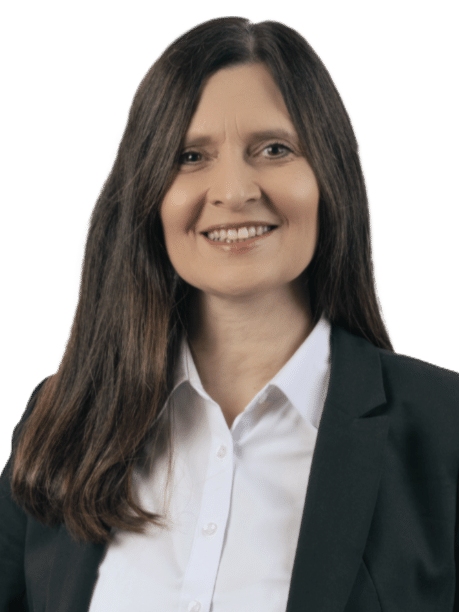
Özlem Parakenings
Relationship & Marketing Manager
at HANSE Interim
Özlem Parakenings leads marketing at HANSE Interim while also supporting interim management projects in her role as Relationship Manager. She serves as a point of contact for clients and interim managers, combining market positioning with close operational involvement in project delivery.
Many of these topics will also be discussed at the AIMP Annual Forum. Bonn will be exciting.
AIMP Annual Forum 2026 – Programme & Information